

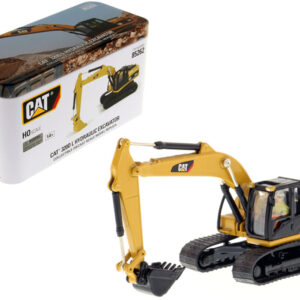
 CAT Caterpillar 320D L Hydraulic Excavator with Operator "High Line" Series 1/87 (HO) Scale Diecast Model by Diecast Masters
 <h1>BMW 250 Isetta, 300 Isetta Model Toy Cars</h1>
BMW 250 Isetta, 300 Isetta originating in Germany
The BMW 250 Isetta and 300 Isetta: Compact Icons of the Post-War Era
| BMW 250 Isetta | BMW 300 Isetta | |
|---|---|---|
| Production Years | 1955-1956 | 1956-1962 |
| Body Style | 2-door microcar | 2-door microcar |
| Wheelbase | 58.3 in | 58.3 in |
| Engines | 1-cylinder, 4-stroke | 1-cylinder, 4-stroke |
A Radical Departure: The Design of the BMW Isetta Series
The BMW 250 and 300 Isetta models mark a monumental shift in automobile design. Shaped by necessity rather than luxury, they featured a unique bubble-car silhouette, egg-like body, and front-opening door that made a distinct statement in the post-war era.
The Heart of the Isetta: Engine Technology
Under their quirky exterior, both the 250 and 300 Isettas housed a 1-cylinder, 4-stroke engine. This simplistic but reliable power plant offered a respectable output for their size and contributed significantly to their affordable running costs.
Performance: More than Meets the Eye
While these microcars might not have had the speed of their larger BMW counterparts, they certainly offered a unique driving experience. Their nimble handling and compact size made them perfectly suited to the crowded city streets of Europe.
A Symbol of Recovery: The Isetta's Historical Significance
Manufactured during a time when Europe was recovering from the devastation of World War II, the Isetta 250 and 300 models serve as a symbol of resilience and innovation. Their rational, economical design offered families an attainable means of transport, making them much more than mere machines.
Innovation Inside and Out
Inside the Isetta's compact frame was some surprisingly innovative technology for the time, including an independent suspension system and a heater – a luxorius feature that wasn't common among other cars within its class.
Legacy: The Legacy of the Isetta Models
The BMW Isetta models may have been a product of their time, but they effectively left their mark on automotive history. Today, they are remembered as a testament to inventive engineering, resilience, and the evolving nature of transportation design.
Final Thoughts
The BMW Isetta, both the 250 and 300 models, remain an icon of ingenuity and practical engineering to this day. As we strive towards more efficient, compact modes of transport, it seems these quirky little microcars were ahead of their time. The Isetta's legacy proves that innovation does not always mean bigger and faster but could also mean smaller and smarter.